Grading isn’t just about leveling land—it’s about preparing it for long-term performance, safety, and sustainability. At Summit Contractors, we believe that the success of any construction or landscaping project begins beneath the surface, with a deep understanding of the site. Our process starts with a meticulous site assessment that considers far more than just topography. We study the natural grade, soil erosion patterns, vegetation density, and how sunlight and wind interact with the terrain. We also consider nearby structures, underground utilities, existing water pathways, and zoning requirements. This evaluation gives us a detailed picture of how the land behaves and what it will require. For instance, a site located on a slope may need terracing, retaining structures, or stepped grading to prevent runoff from damaging the build. In flatter areas, we might need to subtly adjust elevations to prevent water pooling or foundation settling. No two properties are alike, and we don’t use a one-size-fits-all approach. Instead, we develop custom grading plans tailored to the unique character of each property. Communication is also a key part of this early phase. We collaborate closely with property owners, engineers, and architects to ensure the grading aligns with both short-term construction and long-term use. Our in-house team reviews every detail, double-checks plans against environmental and municipal guidelines, and creates a grading strategy that’s designed for performance—not just aesthetics. We don’t just move earth. We shape it with purpose.
Soil type dictates everything from drainage to foundation stability. That’s why Summit Contractors treats soil analysis as a non-negotiable part of the grading process. A basic visual inspection isn’t enough—we conduct professional soil testing to evaluate composition, compaction, moisture retention, organic content, and permeability. This isn’t just technical busywork. If the soil under a foundation fails to hold up due to poor compaction or shifting, the consequences can be severe—cracking, sinking, or even structural collapse. Different soil types respond in different ways to moisture and mechanical force. Clay-heavy soils, for example, tend to expand when wet and contract when dry, making them unstable if not treated properly. Sandy soils drain quickly but can lack cohesion. Loamy soils are ideal but often need to be blended with other types to ensure consistency across a site. Our team uses this data to inform decisions on how much fill to bring in, what kind of compaction techniques to apply, and whether additives like lime or geotextiles are needed to stabilize problem areas. We don’t rely on guesswork. Once the data is in, our crews tailor the grading plan to match what’s underfoot. If soil reports suggest differential settling risks, we’ll adjust cut-and-fill operations or recommend sub-base reinforcement. We may also adjust slope gradients to reduce lateral stress on a foundation. Everything is designed to ensure that the ground performs well not just today, but 10 or 20 years from now. This is the kind of proactive planning that sets Summit Contractors apart—we’re not just shaping land, we’re engineering reliability into it.
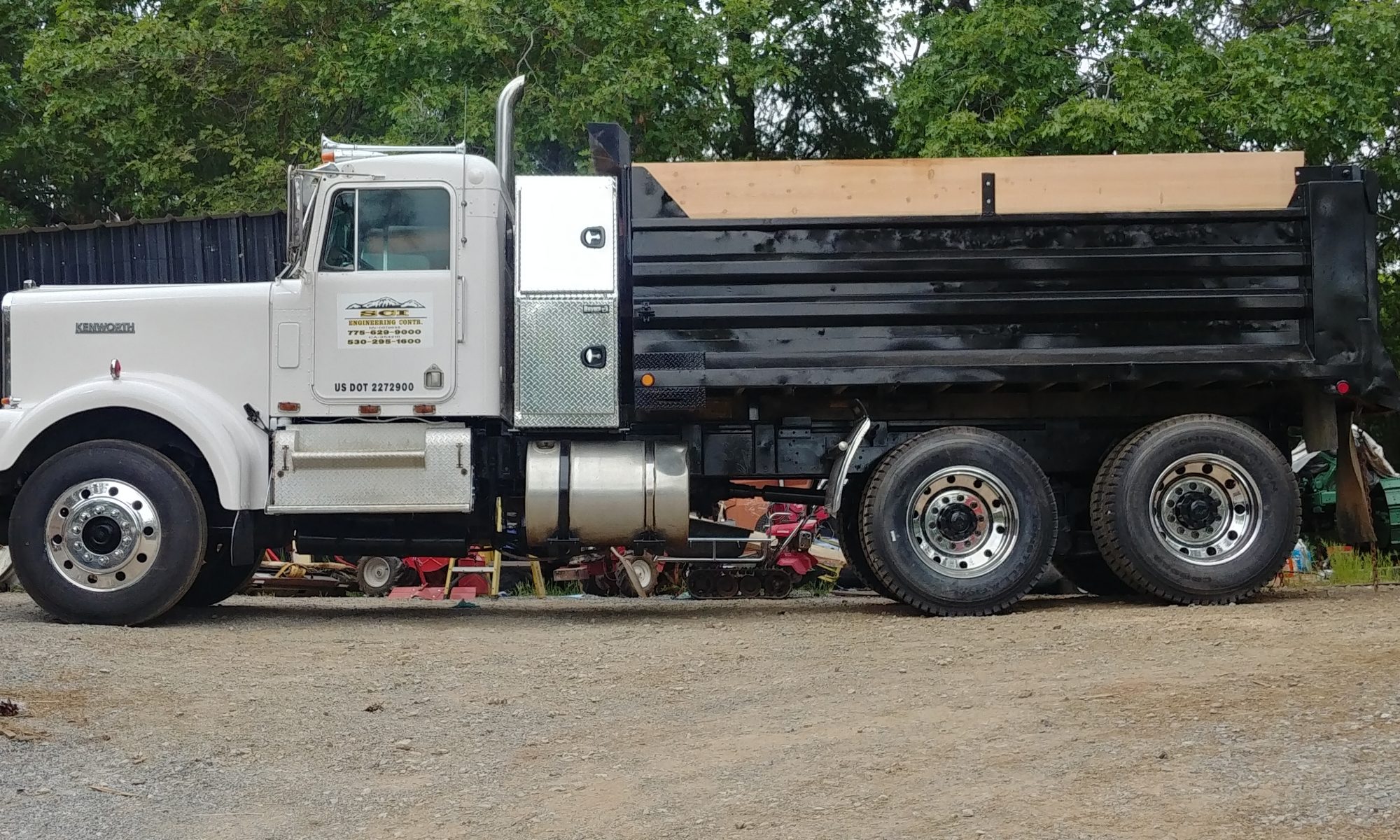
Water management is one of the most important—and often overlooked—components of site grading. At Summit Contractors, we give it the attention it deserves because poor drainage isn’t just inconvenient; it’s destructive. Standing water can lead to soil erosion, structural foundation damage, landscaping loss, and even mold issues in buildings. That’s why every grading plan we develop includes a comprehensive drainage strategy customized to the site’s unique characteristics. Our drainage planning begins by studying the site’s natural water flow. We analyze local rainfall data, check existing drainage systems, and assess how nearby structures, vegetation, and impervious surfaces impact runoff. Then we design grading contours to channel water efficiently away from buildings, low-lying areas, and high-traffic surfaces. Swales, berms, culverts, and catch basins are all part of our toolbox, and we use them strategically—not just to move water, but to slow it down and manage its impact. In areas where the water table is high or soil percolation is slow, we may also integrate underground drainage systems or install retention and detention basins. All of these decisions are made with an eye on compliance with local codes and best practices for sustainable development. We understand that drainage issues often don’t become visible until a year or two after the grading work is complete. That’s why we over-engineer our drainage plans, building in extra capacity where needed and using materials that last. Our clients rely on us because we see the bigger picture. Proper drainage planning saves them from costly headaches later. We don’t just protect the site—we protect the investment.
Even the best grading plan falls apart without precision execution. At Summit Contractors, we invest in high-performance equipment and seasoned operators to ensure that the plan on paper translates perfectly to the land in front of us. Our fleet includes laser-guided and GPS-controlled bulldozers, motor graders, and compactors, which allow us to maintain exact slope gradients and elevation targets within fractions of an inch. This level of control minimizes over-digging, prevents costly rework, and delivers a cleaner, more efficient grading result. But technology only goes so far. It’s our team that makes the real difference. Our operators are not just equipment drivers—they’re craftsmen. Each member of our crew understands how to read land, adapt to changing conditions, and make micro-adjustments in real-time. They spot inconsistencies, solve problems on the fly, and treat each site like it’s their own. This level of skill and pride in workmanship is why we consistently outperform expectations. We also take a systematic approach to quality control. After each stage of grading, we perform slope verifications, soil compaction tests, and elevation checks to make sure everything meets spec. If adjustments are needed, we make them immediately—not weeks later after a problem arises. This commitment to doing it right the first time saves time and money while ensuring long-term durability. Whether we're grading for a 2,000-square-foot foundation or a 20-acre commercial pad, the principle is the same: precision builds trust. That’s why our clients keep coming back.
Grading is often the first step in a much larger project, and how well it’s done can make or break everything that follows. That’s why Summit Contractors works in close coordination with everyone involved—owners, engineers, builders, and city officials—to make sure the grading process meets all technical, regulatory, and project-specific requirements. Our goal is to be a seamless part of your project team, not just a contractor checking boxes. From the start, we review municipal grading codes, stormwater management requirements, and any special site conditions that might affect permits or inspections. We make sure setbacks are respected, slopes are within tolerance, and erosion control measures like silt fencing or hydroseeding are in place. We also coordinate closely with utility crews to prevent conflicts between grading work and trenching, pipe installation, or access needs. Just as importantly, we keep our clients in the loop. Our team provides regular updates, daily logs when needed, and transparent documentation of any issues or changes. We’re not here to surprise anyone—we’re here to solve problems before they become delays. If weather, access, or permitting creates challenges, we adjust quickly and professionally. We value long-term relationships over short-term gains, and that philosophy runs through every part of our operation. Ultimately, grading is about more than earthmoving—it’s about laying the groundwork for a successful project. Summit Contractors delivers that success by combining technical know-how, clear communication, and a commitment to getting every detail right.
To learn more about our services or to discuss your specific project needs, please don't hesitate to contact us at Summit Contractors, Inc. Our friendly and knowledgeable team is ready to assist you. We look forward to hearing from you and providing the exceptional services you deserve.
